
Key Takeaways
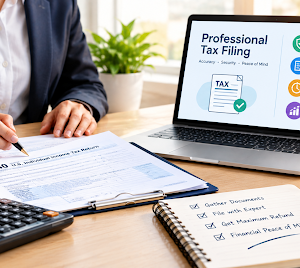
- Partnering with a qualified tax filing professional removes the guesswork, mitigates audit risks, and maximizes legitimate deductions on your annual return.
- Utilizing professional tax filing software and online professional tax filing platforms ensures encrypted data security and seamless integration with government tax agencies.
- Understanding how long does professional tax filing take helps individuals and business owners organize documentation early to streamline the professional tax return filing process.
Tax season comes around annually like clockwork, but millions of people and business owners are plagued by that familiar feeling of dread when the due dates approach. From changing federal laws to complicated deductions and state regulations, not to mention the possibility of penalties for making mistakes on the forms, doing it yourself can be a real headache.
Even just one mistake in the paperwork can cause an audit, a delay in your refund, or communications from the tax agency. Transitioning from DIY spreadsheets to a qualified tax filing professional completely changes this dynamic. By handing your financial data over to an expert, you gain peace of mind, strategic guidance, and the assurance that your return is optimized for maximum savings. Let’s explore how professional expertise, advanced software ecosystems, and structured timelines streamline your annual tax obligations.
1. The Advantages of Working with a Tax Filing Professional
Most people consider hiring an accountant or a CPA to be an unnecessary expense but soon learn that hiring an accountant ends up saving them far more money than the cost incurred.
- Finding Undisclosed Credits: Besides the mandatory filing process, experts have extensive knowledge about various credits, deductions, and incentives that regular filers often miss.
- Avoiding Triggers for Audits: Experts have an awareness of the very specific limits that lead to audits and make sure all your paperwork is flawless.
- Tax Planning throughout the Year: Not only do the best tax professionals analyze your tax situation from the previous year, but also help you plan throughout the rest of the year to come.
2. The Tech Stack: Professional Tax Filing Software and Online Solutions
Today’s accountants have moved away from the outdated system of ledger books and manual calculation methods. Modern efficient practices make use of state-of-the-art tax filing software that caters to complex corporations, multiple states, and 1040 tax returns without any errors.
Another trend in today’s professional tax filing practices is the development of secure portals for taxpayers to submit their tax returns online. No longer do people drop boxes of receipts and other papers at the offices of the accountants; rather, they use a secure cloud vault where they can store the documents and sign the forms using the available electronic signatures. They can also check the status of the form being processed in real time.
3. How Long Does Professional Tax Filing Take?
A common question among anxious clients is: how long does professional tax filing take? The answer depends largely on two factors: the complexity of your financial portfolio and how organized your initial documentation is.
- The Initial Consultation and Intake: Once a tax professional receives your W-2s, 1099s, profit-and-loss statements, and investment portfolios, the initial intake and data verification typically take between 24 and 48 hours.
- Preparation and Review Cycles: For a standard individual return, actual preparation by an expert takes a few hours. For complex corporate returns involving multiple asset classes, inventory adjustments, and payroll reconciliations, the review cycle may span several days.
- The Filing Bottleneck: While the electronic transmission and IRS acceptance process takes only a matter of minutes, waiting until the final weeks before April 15 can create severe processing delays. Engaging early ensures your preparer has ample time to check every detail without rushing.
4. Best Practices for a Smooth Professional Tax Return Filing Experience
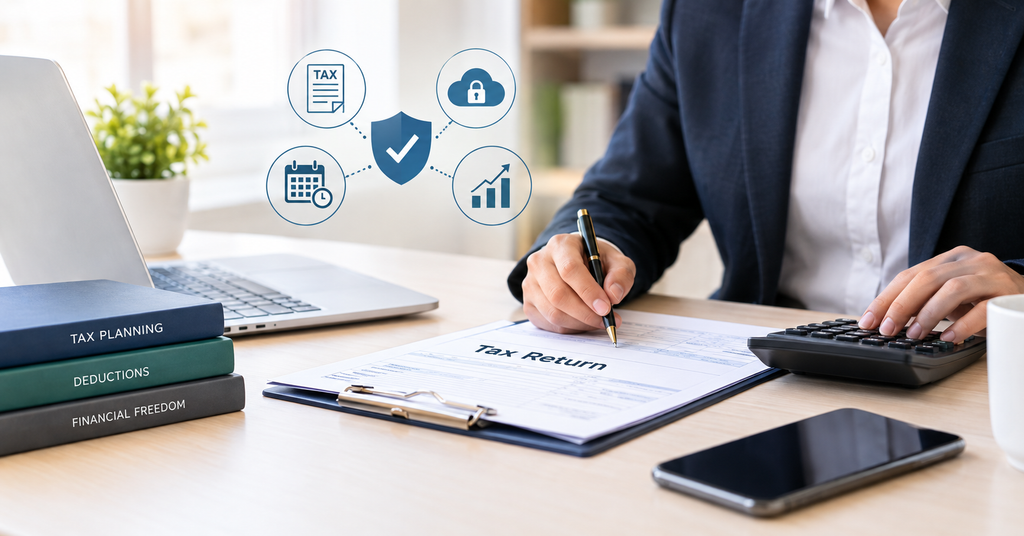
In order to make tax return filing as smooth and economical as possible for the professional, preparation is essential.
- Consolidate Source Documents: Create a file that will store all your tax source documents (like mortgage interest statements, donations receipts, etc.) as soon as you receive them in the year.
- Complete Book Reconciliation: For those running a business, make sure that the books are reconciled well before sending them to your accountant.
- Share Important Events of Your Life: In case you had important life changes (like marriage, property purchase, birth of a baby, and others), let your tax professional know about it because it greatly affects the amount of taxes you have to pay.
5. Avoiding Common DIY Traps That Trigger IRS Audits
Attempting to file taxes on your own increases the risks of financial losses that are unnecessary. Online services are unable to provide an expert analysis of write-offs, the treatment of hobby loss, and home office deduction. Professionals guarantee that all claims made by you will be legitimate and legal according to present tax laws.
What documents should I prepare before my appointment with a tax professional?
The following documents are recommended to be collected in advance: personal identity information, Social Security numbers for each dependent child, all income statements (Forms W-2, 1099, K-1), documentation on deductible payments (medical care, education, charitable contributions), and the previous year’s tax filing form.
Conclusion: Ensure Your Financial Piece of Mind
Tax filing each year need not be a challenging guesswork activity that can leave you in suspense regarding whether you have everything right. With an experienced professional by your side, along with the use of secure digital portals and organized finances, you turn what is normally a burden into an advantage.
Manage your finances properly, manage risks and gain knowledge about professional financial management from various articles on Juskliq.