

Hardly anything can cause panic more than receiving an unexpected message from the Federal Tax authority. Whether it is an urgent voicemail telling you that you are going to be arrested soon, a threatening message regarding some unpaid balance, or an envelope with official letter, scammers know how to use fear for manipulation of taxpayers.
IRS scams in relation to taxes has become much more sophisticated, using such advanced technologies as AI, spoofed caller ID and digital clones of official web pages. It is important for you to know how to defend yourself, your family and even business property from them.
Knowing the principles of functioning of tax scams makes you able to distinguish genuine government emails, calls and letters from those which are malicious and designed for stealing your money and personal information. Let’s consider all aspects of how you can protect yourself.
1. An anatomy of modern IRS scams: how fraudsters operate
Tax scams are aimed at overcoming your logical approach and making you think in terms of emergency. Criminals use intimidation, threats and technical features to surprise you.
To understand the main vectors which fraudsters use for their actions will make it easier for you to avoid scam and protect yourself from losses:
- Phishing Emails and Smishing Messages: You receive a message telling that you should claim your tax refund or there are problems with your account. Such messages contain links and QR-codes which lead to the site created to steal your personal data and infect your computer.
2. Red Flags: How to Identify an IRS Scam Letter, Email, or Call
Identifying a scam versus real federal communication depends upon spotting certain vulnerabilities in the structure of the message and behaviors employed by scammers. Remember the following crucial characteristics:
- The Threat of Immediate Arrest or Deportation: The Internal Revenue Service never calls taxpayers in order to warn about possible arrest or deportation at that moment.
- Unusual Requirements of Payment: Legitimate tax liabilities are never settled using prepaid debit card, cryptocurrency, gift card or wire transfer. Payments are sent to the U.S. Treasury Department only.
- Immediate Action Required and Secrecy: Scammers require immediate actions in 24 hours and tell you not to call a tax adviser, your relatives or any financial consultant.
- Inconsistent Notice Numbers: Real notices from the IRS always contain form numbers, years of taxes and CP/LTR number which can be verified online at IRS.gov.
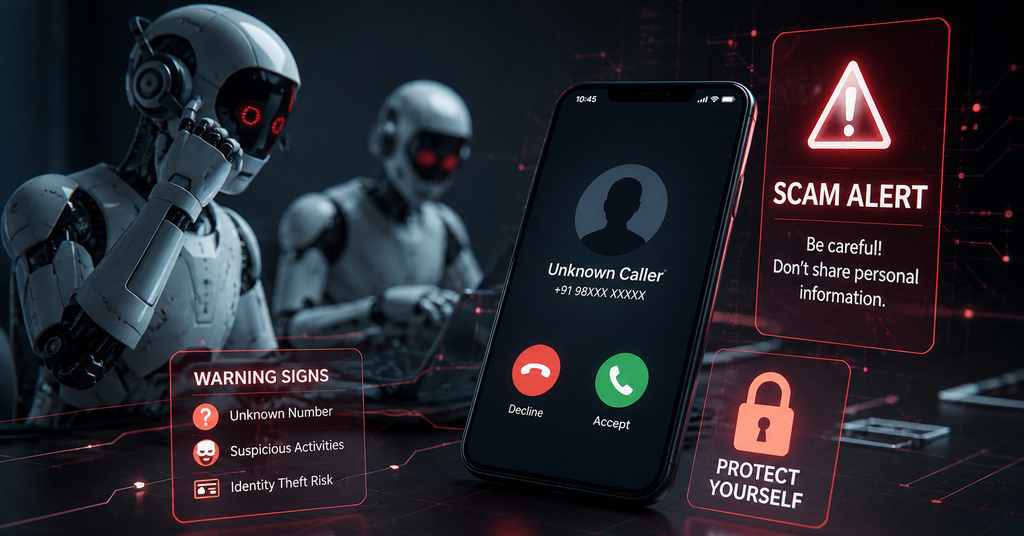
3. Most Common IRS Scam Variants to Look For
Scammers constantly develop new tricks based on the actual economic state and changes in tax filing practices. Look out for the following popular scams:
- Refund Update Status Scams: An e-mail or message with a warning about an urgent need to claim an unclaimed refund with an offer to do so by clicking a link and paying a processing fee.
- Tax Credit Promotion Scams: Misleading information spread on social media about huge windfalls in case of claiming some unusual credits or fuel tax deduction you are not entitled to.
- Threatening Phone Call Scams from Impostor Agents of the IRS: Automated or live calls warning about unpaid back taxes that will result in immediate garnishment of your wages without immediate payment.
- Suspicious Callback Numbers in Scam Mail or Text Message: Unauthorized irs scam numbers included in scam mail letters or text messages that lead you directly to scam boiler rooms.
4. Step-by-Step Action Plan if You Suspect Fraud
Should you get any communication you find suspect, it is wise to undertake several precautions to protect your identity and maintain a sound financial reputation:
- Stop All Communication at Once: Do not click on the links, open attachments, or disclose your personal details through telephone conversations. Disconnect from the conversation immediately and close the browser tab.
- Double Check by Going Through Official Resources: Use the contact numbers and the links provided in the suspect communication. Instead, sign into your account directly at IRS.gov website or the main customer service line and find out your true tax situation.
- Document the Interaction: Take screenshots of text communications, forward the emails to phishing@irs.gov, and write down details of any telephone interaction.
- Report the Threats to the Relevant Authorities: Submit complaints to the Treasury Inspector General for Tax Administration and Federal Trade Commission. Such actions will help the law enforcement agencies locate the active fraud rings.
5. Protecting Your Digital Trail and Avoiding Future Compromises
Apart from reacting to single instances of danger, creating a reliable system of digital hygiene will allow you to avoid future exploitation attempts. Cyber criminals often purchase personal information obtained through the hacking of various databases, careless use of social media websites, or public WiFi networks.
To secure your sensitive tax documents and avoid fraud, you need to take certain preventative measures, including using multi-factor authentication for all banking and government websites, destroying any physical financial documents before their recycling, and regular monitoring of your credit report for unusual transactions.
Is there any chance that the IRS will call or text me regarding a tax bill out of nowhere?
No. In most cases, the IRS sends letters or notices by postal mail through the U.S. Postal Service. They don’t send unsolicited texts, direct messages via social media platforms, or emails asking for immediate payment or threatening enforcement actions.
Final thoughts: Be Wary and Protect Your Finances
Tax scams work by intimidating, confusing, and rushing victims into giving away their information. With your knowledge about the workings of scammers, red flags, and verification methods, all their efforts go to waste.
Stay informed, safeguard your personal information, and consult trusted sources and professionals through Juskliq to have safe finances.






1 Comment
Mastering Your Annual Return with a Tax Filing Professional
14 Sep 2026[…] Filing Bottleneck: While the electronic transmission and IRS acceptance process takes only a matter of minutes, waiting until the final weeks before April 15 can create severe […]